Rotator cuff surgery repairs damaged tissues, but strength, mobility, and stability return through guided movement. Many adults feel unsure about what to expect in the first weeks and how progress unfolds. Learning what happens during rehab after rotator cuff surgery helps adults feel more confident, understand each stage, and know how physical therapy supports safe, long-term recovery.
How-To Guide: What to Expect in Each Phase of Rehab After Rotator Cuff Surgery
Step 1: Protect the Repair During the Early Phase
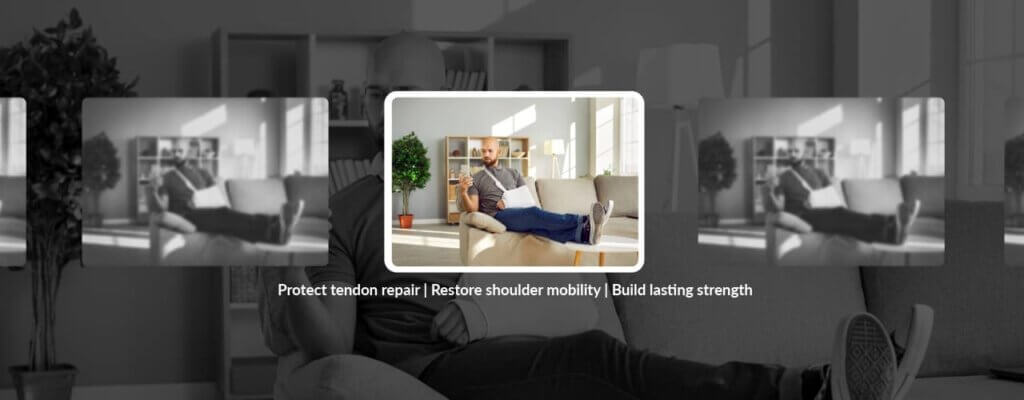
During the first stage, the goal is protection. The repaired tendon needs time to heal, so movement stays gentle and controlled. Your arm often rests in a sling to prevent stress on the repair. Physical therapists guide adults through safe hand, wrist, and elbow motions that keep nearby joints comfortable without disturbing the shoulder. Early education helps adults understand the importance of calm, protective movement during rehab after rotator cuff surgery.
Step 2: Begin Passive Motion With the Help of Your Therapist
Once the surgeon allows, the therapist introduces passive motion. During passive exercises, the therapist moves the arm while the patient stays relaxed. These motions help prevent stiffness and support early joint glide. Passive motion prepares the shoulder for more active stages, and the therapist monitors comfort carefully to protect the healing tendon.
Step 3: Restore Comfortable Range of Motion Gradually
As tissues heal, the therapist adds gentle stretching and controlled motion work. These exercises help restore flexibility in the shoulder and surrounding muscles. Adults learn how far they can move without stressing the repair. Improving this motion supports daily tasks and plays a major role in long-term shoulder comfort during rehab after rotator cuff surgery.
Step 4: Activate the Rotator Cuff and Supporting Muscles Safely
When the repair becomes strong enough, therapists introduce light activation of the rotator cuff. These exercises start with small, controlled movements that enhance muscle awareness without overloading the tendons. The therapist also adds strengthening for the shoulder blade muscles, which support healthy shoulder mechanics. This careful approach helps adults build the foundation needed for later strengthening.
Step 5: Build Strength With Targeted and Progressive Exercises
The strengthening phase increases muscle control and endurance. Therapists teach exercises that support the rotator cuff, upper back, and core. These exercises help stabilize the shoulder during movement, reduce strain during lifting, and improve comfort during daily tasks. Consistent strengthening helps restore the support system that protects the joint throughout rehab after rotator cuff surgery.
Step 6: Improve Shoulder Blade Control for Better Movement
The shoulder blade guides how the arm moves. Weak or tight muscles around the shoulder blade cause irritation, poor coordination, and increased pressure on the healing tendon. Physical therapists teach exercises that improve shoulder blade positioning. Better control helps the shoulder move smoothly and reduces the risk of future irritation.
Step 7: Restore Mobility in the Chest and Upper Back
Tightness in the chest or upper back limits shoulder motion. Therapists use mobility work to improve movement in these regions. Restoring flexibility helps the shoulder lift, rotate, and reach naturally. Improved mobility supports a more comfortable recovery and reduces compensations that slow healing.
Step 8: Practice Functional Movements for Daily Tasks
As strength improves, therapists introduce exercises that match real-life activities like reaching overhead, lifting light objects, and supporting weight through the arm. These functional exercises help adults regain confidence and prepare for tasks at home, work, and during hobbies. Practicing these movements supports smoother transitions into normal routines.
Step 9: Address Any Remaining Weakness or Stiffness
Some adults experience lingering stiffness or weakness near the end of recovery. Therapists adjust the plan to address these final challenges and help adults reach their full functional goals. This personalized approach helps protect the shoulder from reinjury and improves long-term comfort.
Step 10: Return to Higher-Level Activities Safely
The final stage prepares adults for exercise, sports, or physical work. Therapists guide strengthening, coordination drills, and task-specific practice. This stage ensures the repaired tendon tolerates higher demands. Building confidence and control helps complete the rehab after rotator cuff surgery process with better strength and stability.
Supportive Shoulder Care at Burlingame Therapeutic Associates Physical Therapy
At Burlingame Therapeutic Associates Physical Therapy, physical therapists guide each stage of rehab after rotator cuff surgery with personalized mobility work, strengthening plans, and functional training. If you want a safe and steady recovery after shoulder surgery, contact Burlingame Therapeutic Associates Physical Therapy today to begin a supportive rehab plan.
Tags: mobility restoration, Strength rebuilding, shoulder recovery, tendon repair