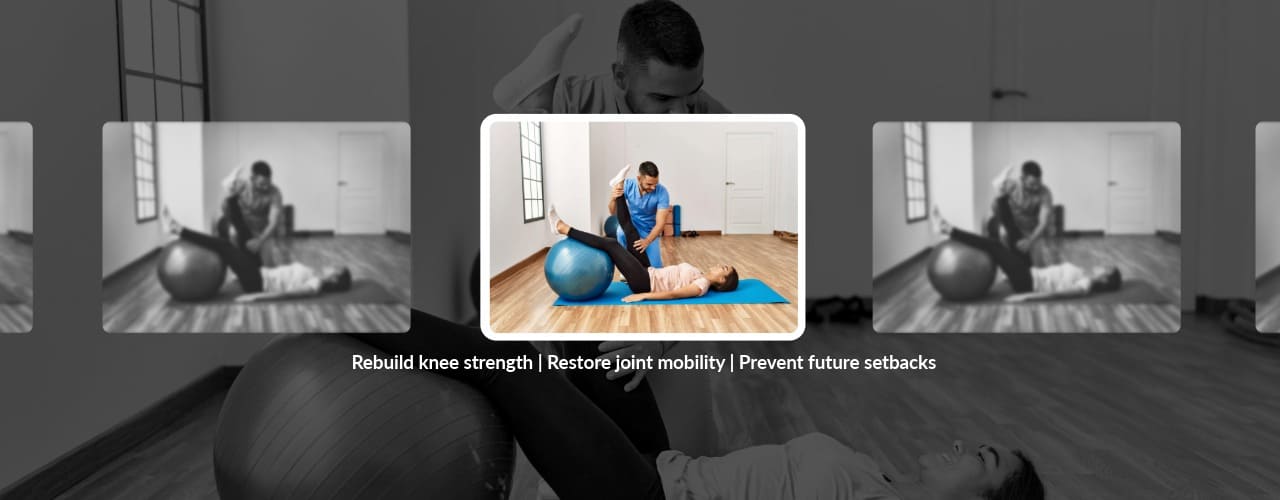

An ACL (anterior cruciate ligament) injury can be a serious setback, affecting mobility, confidence, and participation in sports or recreational activities. Recovery from an ACL injury is a multi-stage process focused on restoring strength, stability, and control of the knee joint. ACL injury recovery with advanced physical therapy provides a structured and active approach to help individuals safely return to the activities they love while minimizing the risk of re-injury.
Keys to ACL Recovery at Burlingame Therapeutic Associates Physical Therapy
ACL rehabilitation requires a comprehensive approach. Our therapists use the most up-to-date research to guide our programs. We design each program based on the individual’s needs and incorporate the following to optimize your recovery:
The Importance of Progressive Strength Training for ACL Recovery
- The quadriceps, hamstrings, and gluteal muscles play a crucial role in stabilizing and supporting the knee joint, and their strength is essential for successful ACL recovery. Following an ACL injury, physical therapists prioritize progressive strength training to gradually rebuild these muscles.
Progressive loading begins with low-resistance exercises and slowly increases in intensity as the knee heals and becomes stronger. This method is designed to condition the knee safely, giving the body time to adapt to greater demands over time. By strengthening the surrounding muscles, progressive training helps distribute the impact on the knee more evenly, alleviating strain on the ACL. This foundational strength prepares the knee for more dynamic, high-intensity movements that are introduced later in the recovery process.
Improving Body Control with Neuromuscular and Balance Training
- Neuromuscular control is a vital part of ACL injury recovery, as it enhances the body’s awareness of joint positioning, also known as proprioception. ACL injuries can disrupt this awareness, which makes balance training an important part of the rehabilitation plan. Single-leg stands, unstable surface exercises and reaction-based drills are commonly used to improve the patient’s balance and stability around the knee.
These exercises also help athletes and active individuals avoid sudden, uncontrolled movements that could lead to further injury. By retraining the body to respond effectively to unpredictable changes in movement, neuromuscular training gives patients more control and confidence during high-impact activities, significantly reducing reinjury risk.
Functional and Plyometric Drills for Real-World Preparation
- The final stages of ACL rehabilitation often include functional and plyometric exercises, which prepare patients for the physical demands of their favorite sports or activities. Plyometric training, also known as jump training, is introduced cautiously under the guidance of a physical therapist. These exercises focus on controlled landings, jumps, and directional changes that mimic sports movements, reinforcing safe landing techniques and minimizing knee strain.
Functional training involves multi-directional movements that challenge the knee in ways that mirror daily activities and sports. This combination of exercises improves the knee’s resilience, allowing patients to handle the physical intensity of sports with confidence. By incorporating these sport-specific movements into rehabilitation, physical therapists help prepare patients for a safer return to their regular activities.
Why Female Athletes Face Higher Risks and How Physical Therapy Can Help
Female athletes are more susceptible to ACL injuries due to a combination of anatomical, hormonal, and movement-related factors. On average, females have a wider pelvis and different hip-knee alignment, which places extra stress on the knee joint. Hormonal influences, including fluctuations in estrogen levels, may also affect ligament flexibility, making joints more vulnerable to strain. Additionally, studies show that females often rely more on the quadriceps than the hamstrings for certain movements, creating added pressure on the ACL.
Advanced physical therapy programs address these risk factors through exercises that improve lower body strength and stability, with a focus on hamstring engagement to counterbalance quadriceps-dominant movement patterns. By designing a personalized rehabilitation program that targets these specific needs, physical therapists help female athletes build the strength and control necessary to reduce their risk of future ACL injuries.
Get Back to Your Best with a Structured ACL Recovery Plan
If you’re facing an ACL injury, the team at Burlingame Therapeutic Associates Physical Therapy can develop a customized ACL injury recovery program to get you back to the activities you enjoy. Contact us today to learn more about our commitment to helping you achieve a safe and complete recovery!
Tags: ACL rehabilitation, knee injury treatment, sports recovery, injury prevention